


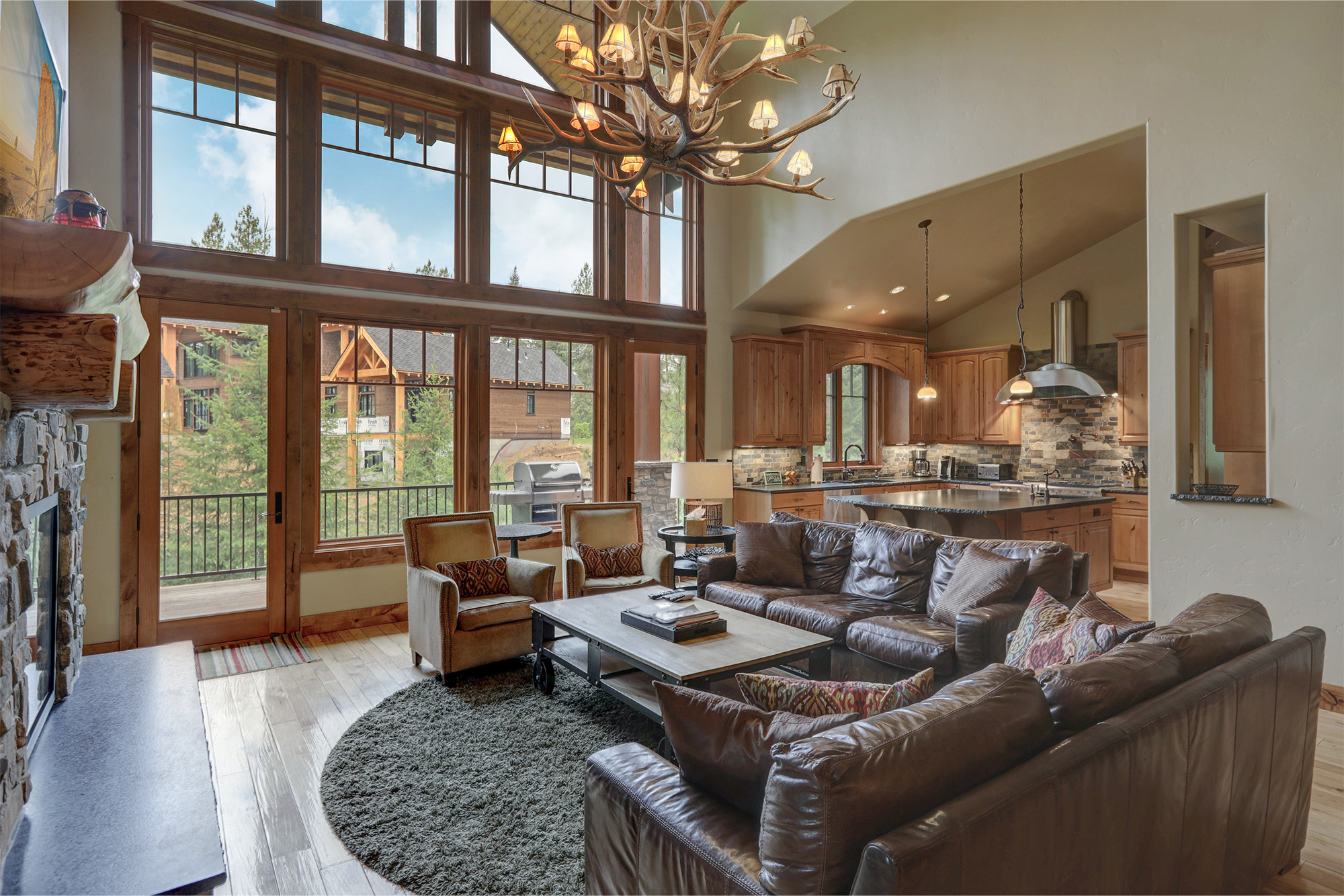
The old-world interior trend is not just about antique mirrors, moody paint colors, brass hardware or a darker wood dining table. The reason these rooms feel rich is because every material has some weight to it. There is grain, texture, age, movement and a sense that the room was built slowly. When the flooring is too flat, pale or uniform, it can make the rest of the space feel staged instead of settled.
That is where hardwood matters. A floor with visible grain gives the room a natural base before the furniture even arrives. White oak, red oak, walnut tones, wire-brushed textures and low-sheen finishes can all support this look, but the key is avoiding flooring that feels printed, washed-out or too smooth. Old-world interiors need a floor that can hold visual history without turning the room into a theme.
Grain matters more than color alone
Many homeowners start by asking whether they should choose light, medium or dark hardwood. That is useful, but it is not the whole decision. Two floors can be the same general color and feel completely different because of grain pattern, plank width, finish sheen and variation from board to board. A flat beige plank with almost no movement can look calm in a showroom, then feel lifeless once it is installed across a full room.
For this style, grain should be part of the design conversation from the beginning. A brushed or lightly textured surface can soften glare and make the floor feel more natural under changing daylight. A floor with moderate color variation can also work better with stone, linen, aged wood, patterned rugs and collected furniture. The goal is not to make the floor loud. The goal is to make it believable.
Where flat beige planks start to fail
Flat beige flooring became popular because it looked safe, bright and easy to decorate around. In some homes, it still works. But in rooms with historic trim, warmer wall colors, dark cabinetry, traditional furniture or layered textiles, it can create a strange mismatch. The floor looks new in the wrong way, almost disconnected from the rest of the room.
This becomes especially obvious in Richmond homes with older architectural details or rooms that do not receive strong natural light. A low-variation beige floor can turn gray, yellow or washed-out depending on the lighting. A warmer hardwood with real grain usually gives the room more depth and makes furniture choices feel more intentional. It also gives area rugs something to sit on, rather than forcing the rug to do all the visual work.
How to choose the right floor without overdoing it
The best old-world flooring choices are usually balanced. You do not need the darkest stain, the widest plank or the most dramatic grain to achieve the look. In fact, going too heavy can make a room feel smaller or more formal than intended. A medium warm tone, a soft matte finish and a natural grain pattern often give the room more flexibility over time.
Before deciding, compare samples in the actual room and look at them in morning, afternoon and evening light. Place them near paint colors, cabinetry, rugs and furniture legs. At Costen Floors, homeowners can use this process to narrow down hardwood flooring that fits the home, not just the trend. For help choosing hardwood in Henrico, VA, Salem, VA, Richmond, VA, Virginia Beach, VA, Chesterfield, VA, and Midlothian, VA, visit Henrico, Salem, Virginia Beach, and Midlothian, VA or contact us to start planning a floor that gives the room real character.


