


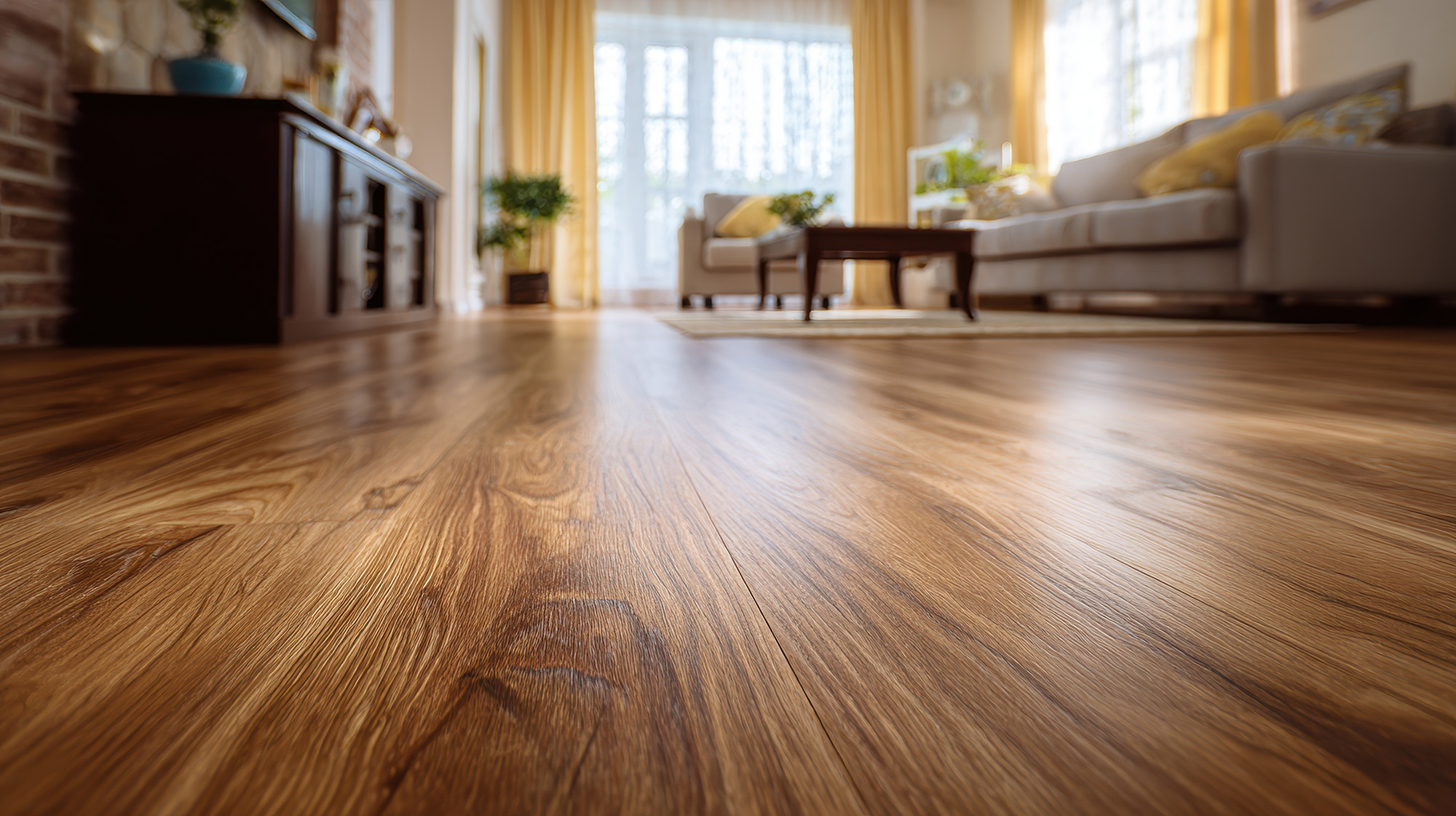
Laminate has a reputation for being scratch resistant, but that resistance has limits, and once a scratch shows up, most guidance jumps straight to replacing the board. In reality, the majority of scratches homeowners deal with are surface level and repairable with the right product and technique, without touching the surrounding boards at all.
Understanding What Layer the Scratch Actually Reaches
Laminate is built with a clear wear layer sitting on top of the printed image layer, and almost every scratch a household deals with only affects that top wear layer. This is the layer laminate repair products are designed to fill and blend, and it is why most scratches can disappear with the right compound rather than a full board swap.
A scratch that has gone through the wear layer and into the printed image layer underneath will show a color change, usually a lighter or grayish line rather than just a surface mark. This distinction matters because a repair compound can fill a wear layer scratch invisibly, but it cannot restore a printed pattern that has actually been damaged.
Repair Kits Built Specifically for Laminate
Laminate repair kits, sold as wax fill sticks or two part epoxy blends in matched wood tones, are built to fill the scratch and cure into a surface that matches the surrounding sheen. These are different from wood filler products made for solid hardwood, which are not designed to bond with laminate's synthetic wear layer and often fail to hold or blend properly.
Matching the tone takes patience rather than guesswork. Most kits include a few color options that can be blended together, and testing the blend on an inconspicuous area, like inside a closet or under an appliance, before applying it to the visible scratch avoids a repair that stands out more than the original damage.
The Actual Technique That Makes a Repair Blend In
Applying too much filler at once is the most common reason a repair looks worse than the scratch it was meant to fix. A thin first pass, allowed to dry or cure fully, followed by a second thin pass if needed, builds up to the right level without leaving a raised bump that catches light differently than the surrounding floor.
After the filler cures, buffing gently with a soft cloth rather than sandpaper is usually enough to blend the sheen, since laminate's wear layer is not meant to be sanded the way solid wood is. Pressing too hard during this step can dull the surrounding floor's finish rather than just smoothing the repair.
Preventing the Same Spot From Scratching Again
A repaired scratch is sitting in a spot that was vulnerable once, and the same conditions that caused it the first time are usually still present. Felt pads on furniture legs, especially on chairs that get pushed and pulled regularly, address the most common cause of repeat scratching in the same area.
Grit tracked in from outside is the other major factor, and a simple entry mat at the door leading into a laminate floored room catches most of it before it ever makes contact with the surface. Neither of these fixes require any change to the floor itself, just a small adjustment to how the room is used.
When a Repair Kit Will Not Be Enough
Gouges that catch a fingernail, scratches with visible white or gray discoloration reaching the core layer, or damage clustered heavily in one section of flooring are signs that a repair kit will only mask the issue temporarily rather than actually fix it. In these cases, a board replacement is the more honest solution, and laminate's click lock installation generally makes single board replacement more straightforward than repairing a solid hardwood plank in the same spot.
Knowing this distinction upfront saves time, since attempting a filler repair on structural or deep damage usually needs to be redone once it becomes clear the fix did not hold.
Keep Laminate Looking Its Best
Costen Floors helps homeowners across Henrico, VA, Salem, VA, Richmond, VA, Virginia Beach, VA, Chesterfield, VA, and Midlothian, VA maintain and repair laminate floors, and can also advise when a board replacement makes more sense than a filler repair. The team at Henrico, Salem, Virginia Beach, and Midlothian, VA carries laminate options built to handle everyday households if a larger repair or refresh is on the table.
Browse the laminate flooring selection to see options built for daily wear, or contact us with questions about repairing or replacing laminate boards.


